Scholar Profile
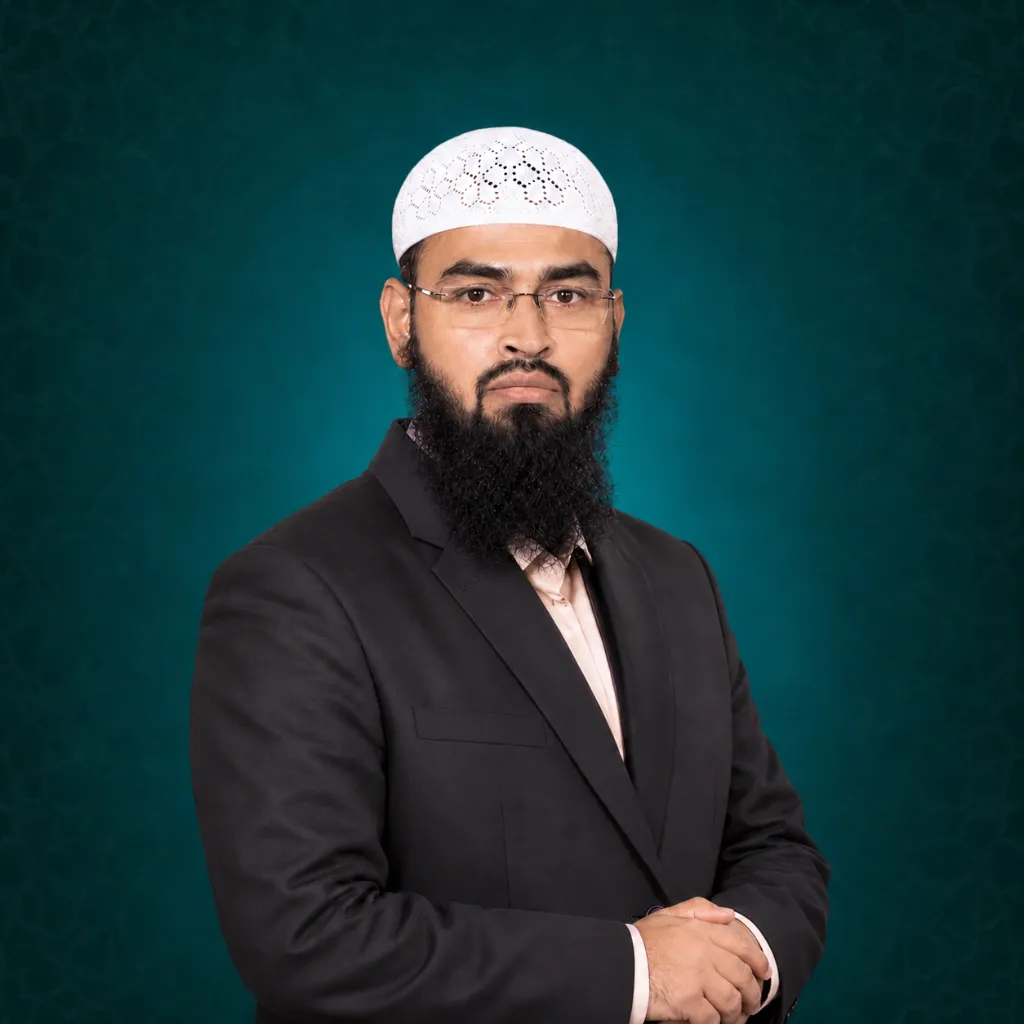
Advocate Faiz Syed
Islamic Scholar • Founder & President IRC • Teacher • Researcher
Advocate Faiz Syed is the founder and president of the Islamic Research Centre (IRC), Aurangabad. He is a prominent Islamic speaker and scholar recognized worldwide, with over 20 million followers across social media platforms, guiding Islamic teachings, personal conduct, and contemporary social challenges.
His areas of guidance specifically include the Quran and authentic Sunnah, modern youth issues, marriage and family guidance, Da’wah methodology, community welfare, and dispelling misconceptions about Islam in contemporary society.
About Advocate Faiz Syed
Advocate Faiz Syed is an internationally recognised Islamic scholar, public speaker, and the founder and president of the Islamic Research Centre (IRC) in Aurangabad, India. During his student years, he lived as an ordinary student known only to a small circle of friends and relatives. Today, millions of people across India, Pakistan, and throughout the world follow his lectures and consider him a trusted guide in practical Islamic living.
With an online audience exceeding 20 million followers across digital channels, he is especially known for engaging young people, working professionals, and married couples who seek authentic Islamic guidance on contemporary moral, personal, and social dilemmas.
Educational Background & Academic Qualifications
Advocate Faiz Syed received his entire formal education in Aurangabad. Throughout his academic path, he successfully earned advanced degrees across both modern professional sciences and classical Islamic studies:
School & College Education: He completed his schooling up to the 10th grade at Burhani National English School. He completed his 12th grade in Science from the Maulana Azad College campus.
Computer Science & IT: Continuing at Maulana Azad College, he earned a Bachelor of Science (B.Sc.) in Computer Science and subsequently enrolled in a Master of Computer Applications (MCA) program in 2001, graduating in 2003.
Legal Education: To complement his advocacy in Islamic work with formal legal grounding, he earned a Bachelor of General Law (BGL) and subsequently an LLB degree, becoming a qualified legal professional.
Islamic Studies: Alongside his secular academic degrees, he pursued rigorous Islamic education, earning a Bachelor of Arts (BA) and Master of Arts (MA) in Islamic Studies, as well as an additional BA in Islamic Sciences.
On the family front, his father served for years at the renowned Saudi company Aramco and voluntarily served as an Imam leading prayers there.
Transition From IT Career to Islamic Da’wah
When Advocate Faiz Syed completed his MCA in 2003, the IT and technology sector was experiencing an unprecedented global boom with lucrative career prospects. However, he strongly believed that while earning a living is essential, an educated person has a greater duty to give back to society and guide others.
Approximately 25 years ago, when the internet was nascent and social attitudes were rigid, many young Muslims were drifting away from religious practice due to harsh cultural constraints. A youth playing sports might be turned away from the mosque for not wearing traditional attire, or wearing a college blazer was criticized as foreign culture. Photographs and video recordings were widely shunned as impermissible.
Seeing that an artificial barrier was being built, making youth feel they had to choose between advancing in the modern world or holding onto their faith, he stepped into Da’wah. By adopting modern professional attire and embracing digital media and cameras, he demonstrated that one can remain thoroughly grounded in Islamic principles while thriving in contemporary society.
Why the Title ‘Advocate’ Instead of ‘Maulana’?
Advocate Faiz Syed deliberately uses the title Advocate rather than Maulana for two primary reasons:
1. Academic Honesty and Transparency: In the Indian subcontinent, the title Maulana is traditionally accorded to those who have completed the rigorous 6- to 8-year Dars-e-Nizami curriculum in a traditional seminary. Because his formal university qualifications are an MCA and LLB, he chooses the title that transparently and accurately reflects his credentials.
2. A Message to Educated Professionals: His purpose was to convey that the service of Islam is not exclusive to any specific outfit, background, or seminary degree. Any sincere, educated professional, be it a lawyer, doctor, or engineer, can acquire authentic knowledge of the Deen and serve their community with dignity and credibility.
Financial Independence & Self-Reliance
Advocate Faiz Syed does not accept any salary, honorarium, or remuneration for his religious lectures or Da’wah services; his work is carried out entirely for the sake of Allah.
From the beginning, he was mentored by his respected teacher, Riyaz Musa Malabari (rahimahullah), who advised him never to become financially dependent on the Deen, but to earn a living with his own hands. Following this prophetic principle, Advocate Faiz Syed maintains his own private real estate and commercial business ventures, from which his family and personal living expenses are fully sustained.
Islamic Research Centre (IRC) & Welfare Initiatives
As the founder and president of the Islamic Research Centre (IRC) in Aurangabad, Advocate Faiz Syed has led comprehensive welfare and community projects alongside digital media outreach:
Universal Welfare Services: IRC organizes humanitarian assistance including blood donation drives, clean drinking water installations, and relief initiatives offered to all human beings regardless of their religious or communal backgrounds.
IRC Technical Institute: Established to provide professional vocational skills to underprivileged youth, empowering them to become financially self-reliant and productive citizens.
De-addiction & Rehabilitation Services: Dedicated to rescuing youth from substance abuse and behavioral addiction through professional counselling and scientifically grounded medical rehabilitation.
Areas of Guidance
- Quran & Authentic Sunnah Guidance
- Youth Challenges & Modern Lifestyle
- Marriage & Family Counselling
- Islamic Da’wah Methodology
- Social Reform & Community Welfare
- Substance Abuse & Youth Rehabilitation
Latest Answers by Advocate Faiz Syed
Is Walima Valid Without Consummating the Marriage on the First Night?
6 minutes In the previous discussions on the etiquette of marital intimacy, several important matters were covered: opening with the supplication from Surah Taha 20:25–28, the voluntary two Rak’ahs of prayer counselled by the Companions on the wedding night, the manner in which the Prophet (PBUH) first met Aisha (RA), the dua before intimacy, and…
What Does Islam Say About the Wedding First Night?
8–12 minutes Within the subject of marital etiquettes, the first occasion a person meets his wife is the stage that follows the Nikah. This topic covers two types of matters: first, how a husband should conduct himself when meeting his wife for the first time after Nikah, and second, the general rulings that arise in…
Why Should Couples Learn the Rules of Sex in Islam?
In the name of Allah, the Most Gracious, the Most Merciful. All praise belongs to Allah, Lord of all the worlds, and peace and blessings be upon the seal of the Prophets and Messengers. O my Lord, expand my chest, ease my task, and untie the knot from my tongue so that they may understand…